Environmental Discipline & Emotional Experience
Examples of a Design Philosophy Implemented Across Elite Environments
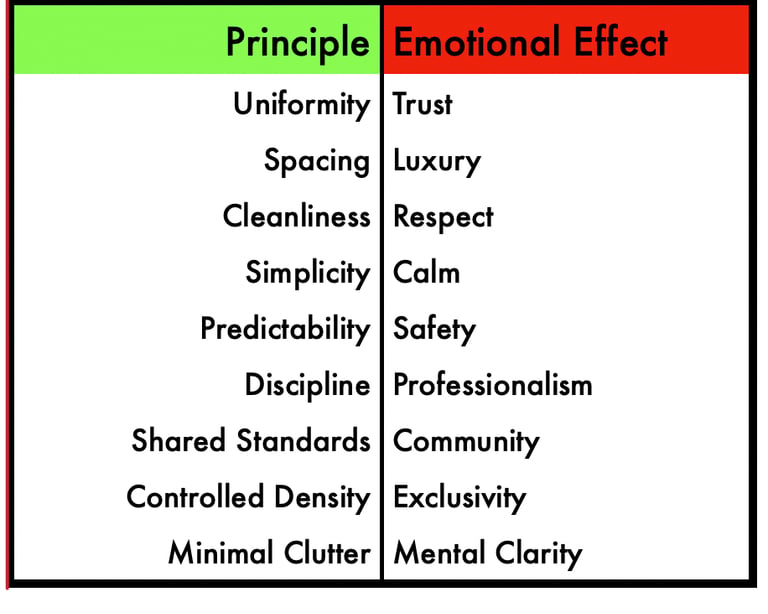
What you are describing is the idea that environmental discipline creates emotional experience. The world's best brands and organisations understand that:
ORDER CREATES CALM
CONSISTENCY CREATES TRUST
SPACING CREATES EXCLUSIVITY
RESTRAINT CREATES LUXURY
SYSTEMS CREATE CULTURE
1. Sports Locker Rooms
Elite clubs obsess over identical hanger spacing, folded towels, aligned boots, labelled positions, symmetrical layouts, and uncluttered surfaces. The environment says: "Professionals live here". The famous All Blacks phrase, "Sweep the sheds" reinforces the idea that even the greatest players clean and restore the environment themselves.
This is exactly the same philosophy seen in premium spaces like The Fort.
2. Apple Stores
Apple stores are among the best examples of this philosophy in retail. Everything is equally spaced, front-facing uncluttered and intentionally minimal. Even the empitness is deliberate. The lack of visual chaos creates calm, confidence, and perceived quality.
3. Luxury Gyms
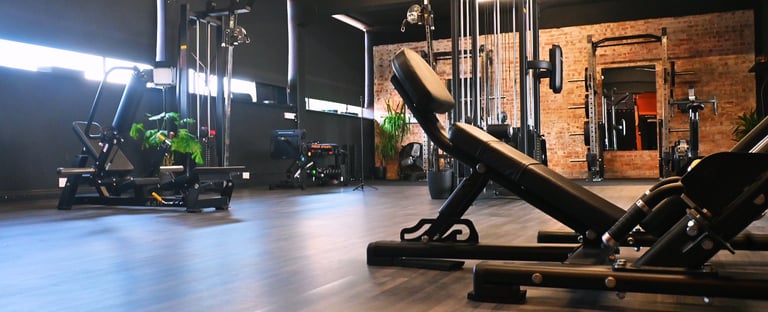
The best boutique gyms carefully regulate numbers, align equipment, reduce clutter, and maintain visual symmetry. The room itself communicates "This place has standards".
4. Japanese Retail and Hospitality
Japan may be one of the strongest cultural examples of this philosophy. Across convenience stores, restaurants, bath houses, and train stations there is precision, alignment, and respect for shared space. The environment itself becomes part of the moral behaviour.
5. Military Environments
Military systems use bed alignment, locker precision, and identical folding not because it merely looks good, but because external order builds internal order.
6. Formula 1 Garages
Formula 1 garages are masterpieces of controlled environments. Everything has a place, faces the same direction, and is instantly retrievable. The visual order reflects operational excellence.
7. Luxury Hotels
High-end hospitality carefully controls scent, lighting, spacing, noise, and visual cohesion. The luxury is often the absence of friction.
8. Boutique Coffee Shops
The best independent coffee shops intentionally manage cup placement, queue flow, machine layout, and visual simplicity so the environment feels deliberate rather than commercial.
9. High-End Retail Fashion
Luxury fashion brands often use negative space, low product density, and restrained colour palettes because scarcity and calm feel premium.
10. Private Members Clubs
Private clubs carefully curate atmosphere, pacing, behavioural standards and environmental consistency. The culture is shaped through the environment itself.
The Shared Philosophy Behind All of Them
What is fascinating is that this philosophy is becoming increasingly rare in modern society. Most environments now optimise for maximum capacity, stimulation, saturation, and speed. Premium environments increasingly optimise for space, restraint, rhythm, intentionality, and emotional regulation.
That is why environments built on discipline, order, and culture stand out so strongly when done correctly.